Why Air Purifiers Alone Won’t Stop Mold in Brookline Homes
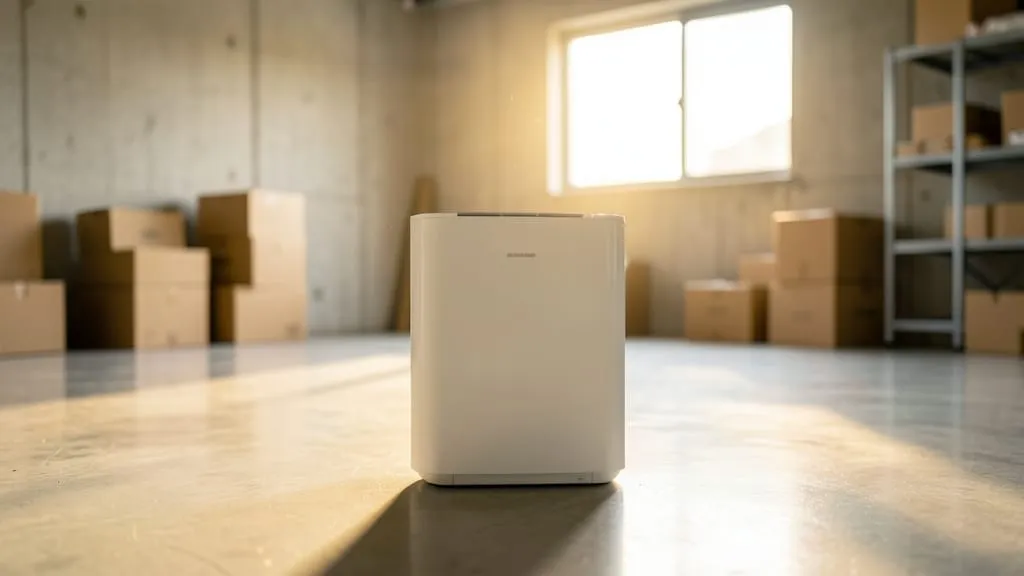
Air purifiers can trap airborne mold spores, but they don’t address the underlying moisture that fuels growth. In Brookline’s humid summers and damp basements, stopping mold requires more than filtration—it demands targeted remediation and prevention.
How Mold Grows in Brookline’s Climate
Brookline’s coastal New England climate brings high humidity, especially in summer. Basements, crawl spaces, and poorly ventilated bathrooms become prime breeding grounds for mold when moisture lingers.
Older homes in neighborhoods like Chestnut Hill or Beacon Street often have hidden leaks in plumbing or roofs. Even small, persistent moisture can sustain colonies behind drywall or under flooring.
The Limits of Air Purifiers
HEPA air purifiers capture airborne spores, reducing indoor spore counts. However, they do nothing for mold already growing on surfaces like drywall, wood, or tile grout.
Without addressing the source, spores will continue to release into the air. Purifiers act like a bandage—they don’t stop the bleeding.
Killing airborne spores with a purifier won’t prevent regrowth if moisture remains. Remediation must target the source.
Where Mold Hides in Local Homes
Basements in Brookline often suffer from poor drainage or cracked foundations. Water seeps in, creating ideal conditions for mold on concrete, wood framing, or stored items.
Attics with inadequate ventilation trap heat and moisture, leading to mold on sheathing or insulation. Bathrooms without exhaust fans develop ceiling or wall mold from condensation.
Kitchens with slow leaks under sinks or behind refrigerators can harbor hidden colonies. Laundry rooms with poor airflow often see mold on walls or washing machine pans.
Moisture Control: The Real Solution
Dehumidifiers in basements and crawl spaces keep relative humidity below 50%, starving mold of its food source. Proper grading and gutters prevent water from pooling near foundations.
Vapor barriers in crawl spaces block ground moisture. Bathroom and kitchen exhaust fans vent humidity outdoors. Regular HVAC maintenance prevents ductwork mold from spreading spores.
Essential Moisture Controls
- Install dehumidifiers in damp areas
- Seal foundation cracks and improve grading
- Use exhaust fans in bathrooms and kitchens
- Inspect and maintain gutters and downspouts
- Add vapor barriers in crawl spaces
- Check for roof leaks and attic ventilation
When to Call a Professional for Mold Remediation
Visible mold covering more than 10 square feet typically requires professional remediation. Hidden mold behind walls or under floors often needs thermal imaging or moisture meters to detect.
Porous materials like drywall, insulation, or carpet usually must be removed if contaminated. Non-porous surfaces can often be cleaned with specialized solutions.
| Scenario | DIY Feasibility | Professional Recommended |
|---|---|---|
| Small surface mold (e.g., bathroom tile grout) | Yes, with proper cleaning agents | No |
| Mold on porous materials (drywall, carpet) | No | Yes |
| Hidden mold (behind walls, under floors) | No | Yes |
| Large areas (>10 sq ft) | No | Yes |
| Mold in HVAC systems | No | Yes |
| Post-flood or sewer backup mold | No | Yes |
Air Purifiers as a Supplementary Tool
After remediation, HEPA air purifiers can help maintain air quality by capturing residual spores. They’re most effective in rooms with known past issues or high humidity.
Look for purifiers with true HEPA filters and high CADR ratings for mold spores. Replace filters regularly to maintain efficiency.
For mold, prioritize purifiers with HEPA filters and a CADR rating for particles. Avoid ozone generators, which can worsen respiratory issues.
Preventing Recurrence in Brookline Homes
Regular inspections of basements, attics, and crawl spaces catch early signs of moisture or mold. Addressing leaks or condensation promptly prevents larger infestations.
In older Brookline homes, upgrading insulation and ventilation systems can reduce humidity buildup. Monitoring indoor humidity levels with a hygrometer helps maintain a mold-resistant environment.
How to Inspect for Hidden Mold in Your Home
Early detection can save time and money in remediation.
- 1Check for Musty Odors
Mold often produces a distinct earthy or musty smell, especially in enclosed spaces like basements or closets.
- 2Look for Water Stains
Discoloration on walls, ceilings, or floors indicates past or current moisture issues, which can lead to mold.
- 3Inspect High-Risk Areas
Focus on basements, attics, bathrooms, kitchens, and around windows. Use a flashlight to check behind furniture or under sinks.
- 4Use a Moisture Meter
A moisture meter can detect elevated moisture levels in walls or floors, even if mold isn’t visible yet.
- 5Monitor Humidity Levels
A hygrometer helps track indoor humidity. Levels consistently above 50% increase mold risk.
- 6Schedule Professional Testing
If you suspect hidden mold but can’t locate it, a professional mold inspection with air quality testing can confirm its presence.
Frequently Asked Questions
Can an air purifier remove mold spores from my Brookline home?
Yes, a HEPA air purifier can capture airborne mold spores, reducing their concentration in the air. However, it won’t remove mold growing on surfaces or address the moisture causing the problem.
What are the signs of mold in my basement?
Common signs include musty odors, visible black or greenish growth on walls or floors, water stains, and increased allergy symptoms when spending time in the basement.
How does humidity in Brookline contribute to mold growth?
Brookline’s humid summers and damp springs create ideal conditions for mold. High humidity, especially in poorly ventilated areas, allows spores to settle and grow on surfaces.
Is mold in my HVAC system dangerous?
Yes. Mold in HVAC systems can spread spores throughout your home, worsening indoor air quality and potentially causing respiratory issues. Professional duct cleaning or remediation is often required.
Can I clean mold myself, or do I need a professional?
Small, non-porous surface mold can often be cleaned with proper solutions. However, large areas, hidden mold, or porous materials like drywall typically require professional remediation to ensure thorough removal.
How can I prevent mold after water damage in my home?
Dry the affected area within 24-48 hours using fans, dehumidifiers, or professional water damage restoration services. Remove and replace porous materials that can’t be thoroughly dried.