Chronic Issues: Why Some Brookline Homes Struggle with Recurring Mold
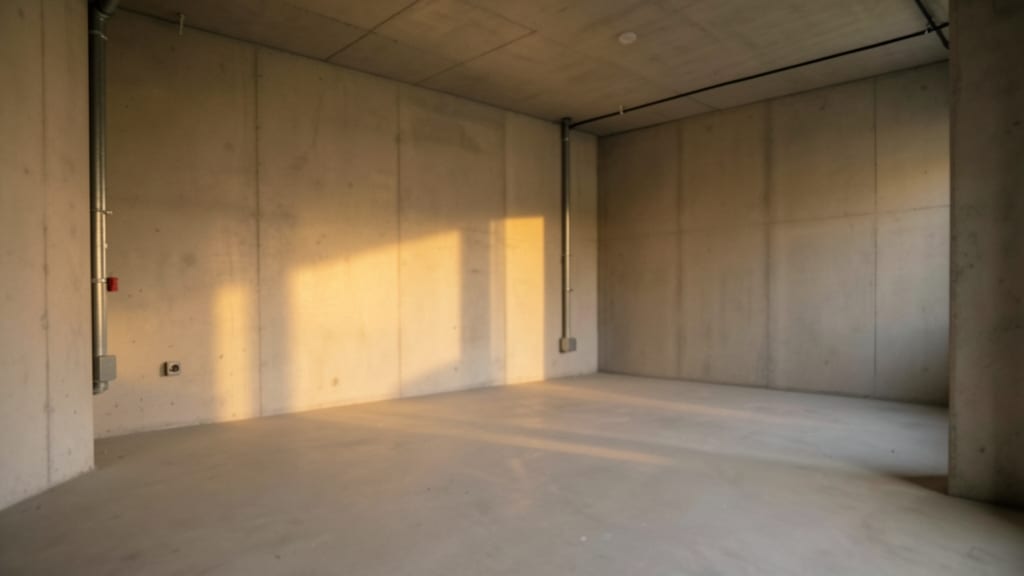
Recurring mold in Brookline often stems from unresolved moisture sources rather than ineffective cleanup. The town’s dense historic housing stock, humid summers, and aging infrastructure create perfect conditions for spores to return. Addressing the root cause is the only way to break the cycle.
The Hidden Moisture Sources Behind Recurring Mold
Older Brookline homes, especially in neighborhoods like Chestnut Hill or Beacon Hill, often have latent water issues. Leaky basements, faulty grading, or deteriorating masonry can wick moisture into walls long after a cleanup.
Condensation in poorly ventilated attics or crawl spaces is another silent culprit. Without proper airflow, humidity builds up, feeding spores hidden behind insulation or under flooring.
Plumbing leaks behind walls or under slab foundations may go unnoticed for months. Even small, slow drips sustain mold colonies in drywall, plaster, or subflooring.
Porous Materials: Mold’s Favorite Hiding Spots
Drywall, plaster, and cellulose insulation are highly absorbent. Once mold roots into these materials, surface cleaning rarely removes it entirely. Full removal and replacement is often necessary.
Wood framing, OSB, and particleboard can also harbor deep-seated colonies. In Brookline’s historic homes, original woodwork may require targeted remediation to avoid structural damage.
Carpet padding and upholstery trap spores and moisture. If water damage occurs, these items typically need professional extraction and, in severe cases, removal.
| Material | Mold Resistance | Typical Action Required |
|---|---|---|
| Concrete, Brick | High | Surface cleaning, sealing |
| Drywall, Plaster | Low | Removal and replacement |
| Cellulose Insulation | Low | Full removal, treat cavity |
| Fiberglass Insulation | Medium | Drying, antimicrobial treatment |
| Hardwood Flooring | Medium | Sand and refinish if surface mold |
| Carpet/Padding | Low | Extraction or removal |
| Metal Ductwork | High | HEPA vacuuming, sanitizing |
| Tile & Grout | Medium | Deep cleaning, regrouting |
HVAC Systems: A Double-Edged Sword for Mold
Central HVAC can spread spores throughout a home if ducts are contaminated. In Brookline’s older properties, poorly sealed ductwork or lack of maintenance exacerbates the problem.
High humidity levels in summer months can lead to condensation in ductwork. Without proper dehumidification, this creates an ideal environment for mold growth on coil fins and drain pans.
If mold is visible inside ducts, cleaning alone may not resolve the issue. The underlying moisture source—such as a clogged condensate line or improperly sized unit—must be addressed first.
Climate and Seasonal Triggers in Brookline
New England’s freeze-thaw cycles cause foundation cracks and roof leaks, which introduce moisture. Ice dams in winter can force water under shingles, leading to attic mold by spring.
Heavy spring rains and summer humidity spikes create ideal conditions for mold regrowth. Basements and crawl spaces in low-lying areas near the Charles River or Muddy River are particularly vulnerable.
Fall’s damp, cool weather slows evaporation, prolonging moisture retention in walls and floors. Without proactive dehumidification, mold can take hold before winter.
DIY Mistakes That Lead to Recurring Mold
Bleach only discolors surface mold without killing the roots. It also adds moisture, potentially worsening hidden infestations in porous materials.
Failing to dry the area completely after cleanup allows spores to reactivate. Industrial-grade dehumidifiers and air movers are often required for thorough drying.
Ignoring small water stains or musty odors delays action until the problem spreads. Early intervention with moisture meters can detect issues before they become visible.
For effective mold remediation, HEPA vacuums, antimicrobial cleaners, and moisture meters are essential. Always wear P100 respirators and gloves when handling contaminated materials.
Structural and Architectural Weaknesses
Flat or low-slope roofs common in Brookline row houses can trap water. Poor drainage systems or clogged gutters direct water toward foundations, leading to basement and crawl space mold.
Solid brick or stone exteriors can trap moisture if not properly sealed. Efflorescence—white mineral deposits—often signals excess moisture migrating through masonry.
Lack of vapor barriers under slab foundations or in crawl spaces allows ground moisture to seep upward. In older homes, retrofitting these barriers can be challenging but necessary.
Pre-Remediation Structural Checks
- Inspect roof and gutter systems for leaks or blockages
- Check foundation for cracks, efflorescence, or water stains
- Evaluate grading around the home to ensure water flows away
- Test crawl space and basement for high humidity or standing water
- Examine attic ventilation for adequate airflow
- Look for condensation on windows, pipes, or ductwork
When to Consider Professional Mold Testing
If mold returns after multiple cleanups, hidden reservoirs may exist. Professional testing with air and surface samples can identify species and spore counts not visible to the naked eye.
In Brookline’s multi-family buildings, shared walls and HVAC systems can spread mold between units. Testing helps determine the extent and origin of contamination.
Post-remediation verification testing ensures the work was successful. This is critical before rebuilding or repopulating affected areas.
Long-Term Prevention Strategies
Installing dehumidifiers in basements and crawl spaces maintains humidity below 50%, inhibiting mold growth. Look for units with automatic drainage to avoid manual emptying.
Improving ventilation in bathrooms, kitchens, and laundry rooms reduces moisture buildup. Exhaust fans should vent outside, not into attics or crawl spaces.
Sealing gaps in windows, doors, and foundations prevents water intrusion. In older homes, this may require repointing brick, applying waterproof coatings, or installing French drains.
How to Investigate Recurring Mold in Your Home
Follow these steps to identify the root cause of persistent mold issues.
- 1Map the Mold
Document all visible mold locations with photos and notes. Note musty odors, water stains, or condensation patterns, even in areas without visible growth.
- 2Trace the Moisture
Use a moisture meter to check walls, floors, and ceilings near mold spots. High readings indicate hidden water sources or poor drying.
- 3Inspect the HVAC System
Check for mold in ductwork, around vents, or near the HVAC unit. Look for condensation on coils or in drain pans, which can foster growth.
- 4Evaluate the Building Envelope
Examine the roof, gutters, foundation, and grading. Look for cracks, gaps, or signs of water intrusion that could feed recurring mold.
- 5Test the Air
Consider professional air quality testing if the source isn’t clear. Spore counts can reveal hidden contamination in walls, crawl spaces, or attics.
- 6Review Past Work
If mold has been treated before, assess whether the original cleanup addressed porous materials or only surface growth. Incomplete remediation often leads to recurrence.
Frequently Asked Questions
Why does mold keep coming back in my Brookline basement?
Basements in older Brookline homes often lack proper waterproofing or vapor barriers. Groundwater seepage, poor drainage, or high humidity can sustain mold growth. Addressing grading, sealing cracks, and installing a dehumidifier are key steps.
Can I just paint over mold to prevent it from returning?
No. Painting over mold without removing it traps spores beneath the surface, leading to regrowth. Use mold-resistant paint only after thorough remediation and drying. Even then, it’s not a substitute for fixing the moisture source.
Is black mold more likely to recur than other types?
Stachybotrys (black mold) isn’t inherently more persistent, but it often grows in chronically wet areas like water-damaged drywall or insulation. Its recurrence usually signals an unresolved moisture issue rather than the mold type itself.
How do I know if my HVAC is spreading mold spores in my Brookline home?
Signs include musty odors when the system runs, visible mold near vents, or increased allergic reactions indoors. A professional inspection can confirm contamination in ductwork or coils, which requires specialized cleaning or remediation.
What’s the difference between mold removal and mold remediation?
Mold removal refers to physically eliminating visible mold. Remediation addresses the root cause—such as fixing leaks or improving ventilation—to prevent recurrence. True remediation includes containment, cleanup, and moisture control.
Are there specific Brookline neighborhoods more prone to recurring mold?
Areas with older housing stock, like parts of Chestnut Hill or near the Muddy River, may face higher risks due to aging infrastructure, poor drainage, or historic construction methods. However, any home with moisture issues can develop recurring mold.